
Our team has advanced training and years of experience treating chronic pain and headache disorders.

We identify the underlying cause of your pain to deliver targeted treatments that provide lasting relief.

Advanced, minimally invasive options mean less downtime, fewer risks, and a faster return to what you love.

We use cutting-edge regenerative therapies to support your body’s natural healing and restore function.

Pain is real, do not live with gaslighting and dismissal. We listen, we understand, and we’re here to help.
Schedule a Consultation
Designed For Real Relief
Evidence-based care and innovative therapies to help you feel better, move better, and live better.
Minimally invasive procedures that target the source of pain for lasting relief.

Specialized treatments to relieve migraines, tension headaches, and facial pain.

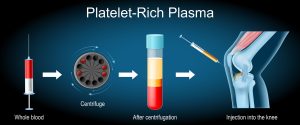
Harnessing your body’s natural healing to repair tissues and reduce inflammation.

Science-backed nutrition that reduces inflammation, eases pain, and supports lasting health outcomes.
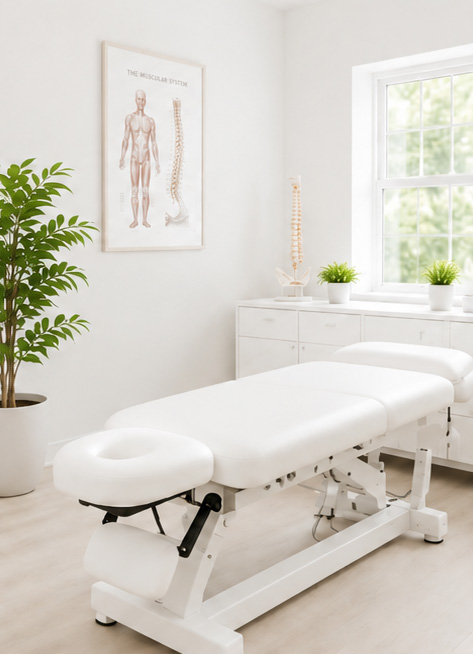

Comprehensive care for neck and back pain using advanced diagnostics and therapies.

Targeted treatments for arthritis and joint pain to restore comfort and function.

Relief for neuropathy, sciatica, and nerve-related pain through advanced solutions.

Guidance and support to improve your overall health and quality of life.
We specialize in diagnosing and treating a wide range of musculoskeletal and nerve-related pain conditions, including:
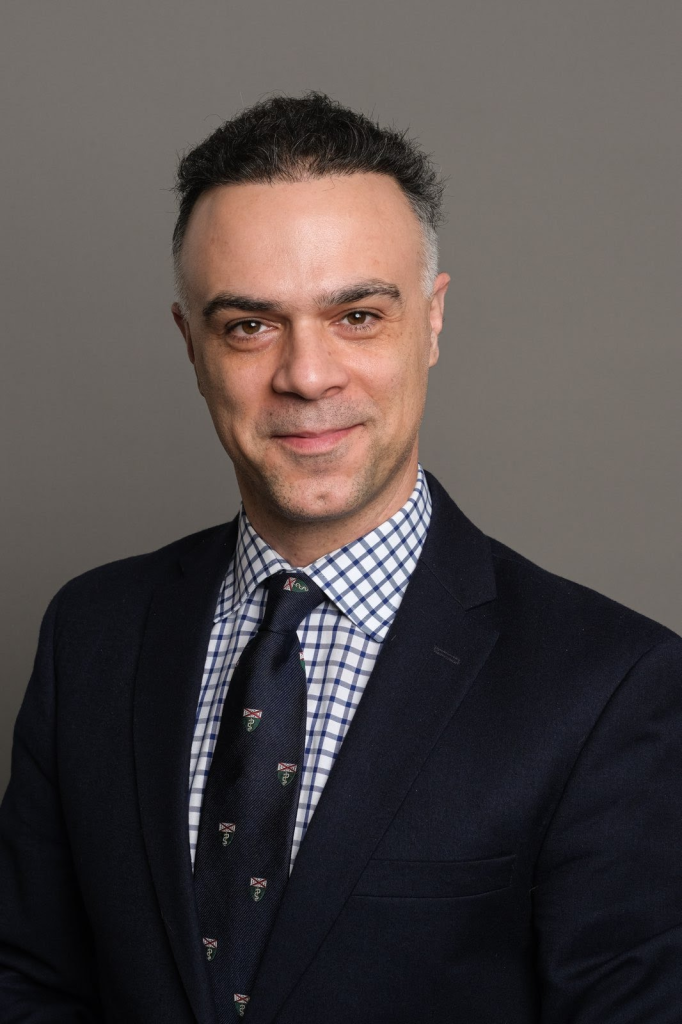
Dr. Amir Soheil Tolebeyan is the Founder and Medical Director of the Turquoise Institute for Interventional Pain, Headache, and Regenerative Medicine. He is a board-certified physician with advanced fellowship training in both Interventional Pain Medicine and Headache & Facial Pain Medicine. Dr. Tolebeyan specializes in the diagnosis and treatment of migraines, headache disorders, facial pain, nerve pain, joint pain, and other complex pain conditions using evidence-based, minimally invasive approaches tailored to each patient.
Dr. Tolebeyan completed fellowship training at Yale University School of Medicine and Dartmouth's Geisel School of Medicine and previously served on the faculty of the Medical College of Wisconsin and Tufts University School of Medicine. As the former Director of the Headache and Facial Pain Program at Tufts Medical Center, he combines academic expertise, advanced image-guided procedures, and personalized care to help patients find lasting relief, restore function, and improve their quality of life.
We are proud to be affiliated with leading organizationsthat uphold the highest standards of care, quality, and professionalism.
At our pain relief clinic, we take a personalized, whole-body approach to treat the root cause of pain — not just the symptoms. Our goal is to help you move better, feel better, and live better.

Experienced professionals dedicated to your recovery.
Safe, effective therapies focused on long-term relief.

Tailored to your unique needs and lifestyle.
Real stories from people who’ve found relief, recovery, and a better quality of life at our clinic.
Expert tips, treatment insights, and wellness advice to help you live a healthier, pain-free life.




Find answers to common questions about our treatments, services, and patient care.