

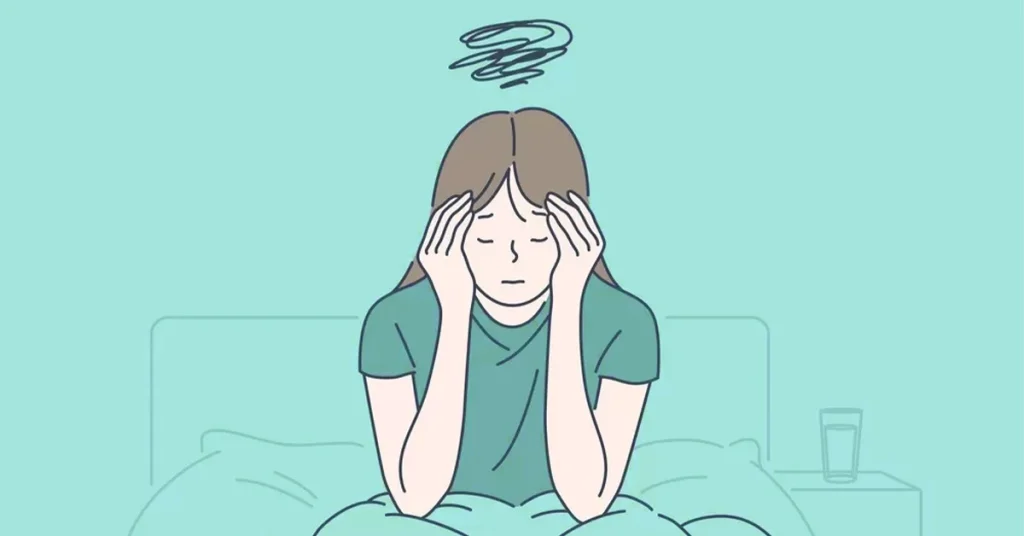
Migraine headaches aren’t just bad headaches. They’re complex neurological events that disrupt your entire day-the sensitivity to light, the nausea, the throbbing pain that makes you want to disappear into a dark room.
Most people reach for pain pills. Some find relief. Many don’t. When medication fails or leaves you feeling worse than the migraine itself, there’s another path: specialist migraine treatment using evidence-based approaches backed by neurological research.
What Is a Migraine-and Why Does It Happen?
A migraine isn’t just pain. It’s an activation of the trigeminovascular system and specific brain regions. Chemical imbalances involving CGRP and other inflammatory molecules trigger this cascade. Environmental factors, stress, hormonal changes, sleep disruption, and dietary triggers can all initiate an attack.
The key insight: Migraines are preventable and treatable when you understand the mechanism.
The Five-Level Treatment Hierarchy
Migraine treatment isn’t one-size-fits-all. It’s a layered approach:
Level 1: Trigger Identification & Avoidance
Identify your personal triggers (stress, certain foods, hormonal changes, sleep disruption). Mayo Clinic’s migraine guide outlines common triggers and avoidance strategies.
Level 2: Lifestyle & Preventive Measures
Consistent sleep, stress reduction, regular exercise, and hydration. These foundational changes often reduce migraine frequency significantly.
Level 3: Acute Medication
Over-the-counter or prescription medication taken at migraine onset. NSAIDs, triptans, gepants, or combination medications. Effective for stopping a migraine once it starts.
Level 4: Preventive Medication
Daily or weekly medications (beta-blockers, antidepressants, anticonvulsants, CGRP monoclonal antibodies) that reduce the likelihood of migraines occurring. Most reduce frequency by 50% or more.
Level 5: Interventional & Specialist Treatment
When other levels don’t provide adequate relief, interventional techniques-nerve blocks, Botox injections, and occipital nerve blocks offer targeted relief. This is where a pain specialist evaluation becomes essential.
Common Migraine Triggers
Stress and Stress Relief
Paradoxically, both stress and the relief after stress can trigger migraines. Manage stress consistently rather than in extremes.
Hormonal Changes
Menstrual cycles, hormonal contraceptives, and hormone replacement therapy can influence migraine patterns. Track cycles to identify patterns.
Sleep Disruption
Both too much and too little sleep trigger migraines. Consistent sleep schedules matter more than duration.
Dietary Triggers
Aged cheeses, processed meats, caffeine excess and withdrawal, artificial sweeteners, and MSG are common culprits. Keep a food diary to identify personal triggers.
Environmental Factors
Bright lights, strong smells, weather changes, and altitude changes can initiate attacks in susceptible individuals.
When Medication Alone Isn’t Enough
If you’re experiencing migraines more than 4 times per month, or if medication provides only partial relief, it’s time to see a migraine specialist.
Many patients delay this step, believing they “just have to live with migraines.” That’s false. Specialist interventions have transformed thousands of patients’ lives.
Related: Learn more about recognizing when to see a pain specialist and the broader context of chronic pain management.
Intervention Options When Prevention Fails
Occipital Nerve Blocks
Injections targeting the occipital nerve (at the base of the skull) reduce migraine frequency and intensity.
Botulinum Toxin (Botox) for Migraine
FDA-approved for chronic migraine. Injections relax muscles and reduce nerve sensitivity. Results appear over 2-3 weeks.
Nerve Stimulation Devices
Wearable or implantable devices that stimulate specific nerves to interrupt migraine signals.
Calcitonin Gene-Related Peptide (CGRP) Monoclonal Antibodies and Inhibitors
Newer medications targeting the CGRP pathway, showing promise for prevention in clinical trials.
Frequently Asked Questions
Q: What’s the difference between a migraine and a regular headache?
A: Migraines are neurological events involving activation of pain pathways in the brain. They cause throbbing pain, sensitivity to light/sound, nausea, and can last 4-72 hours. Regular headaches are less severe and shorter-lasting.
Q: Can migraines be completely cured?
A: Most migraines cannot be “cured” but can be effectively managed and prevented. With proper treatment, many patients reduce migraine frequency and severity dramatically or achieve near-elimination.
Q: When should I see a migraine specialist instead of my regular doctor?
A: See a specialist if: over-the-counter medication fails, migraines occur more than 4 times per month, migraines significantly impact work/life, or prevention isn’t working.
Q: What’s the difference between acute and preventive migraine treatment?
A: Acute treatment stops a migraine once it starts. Preventive treatment reduces the likelihood of migraines occurring. Often both are needed for best results.
Q: How effective are preventive medications?
A: Preventive medications reduce migraine frequency by 50% or more in many patients. Effectiveness varies individually, and finding the right prevention may require trying multiple options.
Schedule a migraine specialist consultation with Dr. Tolebeyan to discuss your treatment options.